Power BI’s strength lies in its ability to transform raw data into actionable insights. At the heart of this capability is DAX – a powerful formula language that enables dynamic calculations and KPIs. Whether you’re a beginner or an experienced analyst, mastering these five DAX functions will elevate your dashboards and reporting. 1️⃣ Year-to-Date (YTD)Continue reading “5 Important DAX Functions Everyone Should Know in Power BI”
Tag Archives: DAX
50+ Essential Formulas every PMO should know

Fresh off achieving my PL-300 certification, I’m thrilled to share insights into the dynamic world of DAX formulas! Whether you’re diving into basic calculations or exploring advanced data modeling, this blog post is your ultimate guide. Join me as we unlock the power of DAX to conquer everyday data challenges, supercharge performance, and craft stunningContinue reading “50+ Essential Formulas every PMO should know”
The Essential Role of the Date Table in PowerBI

In the world of PMO, effective data analysis is vital for making informed decisions and driving project success. One of the key components in achieving accurate time-based analysis in Power BI is the Date Table. This often-underestimated tool is the foundation of effective time-based reporting, allowing us to analyze metrics and Key Performance Indicators (KPIs)Continue reading “The Essential Role of the Date Table in PowerBI”
3 Use Cases of Row Level Security (RLS)
Recently I learned about three use cases of RLS and I couldn’t journal about it. I have written a post on RLS which contains the basic information that you need to understand the concept. In this post, let’s go ahead with understanding those three use cases of RLS. Three Use Cases of RLS Row-level securityContinue reading “3 Use Cases of Row Level Security (RLS)”
Foundation details about Modelling Data (PL-300)
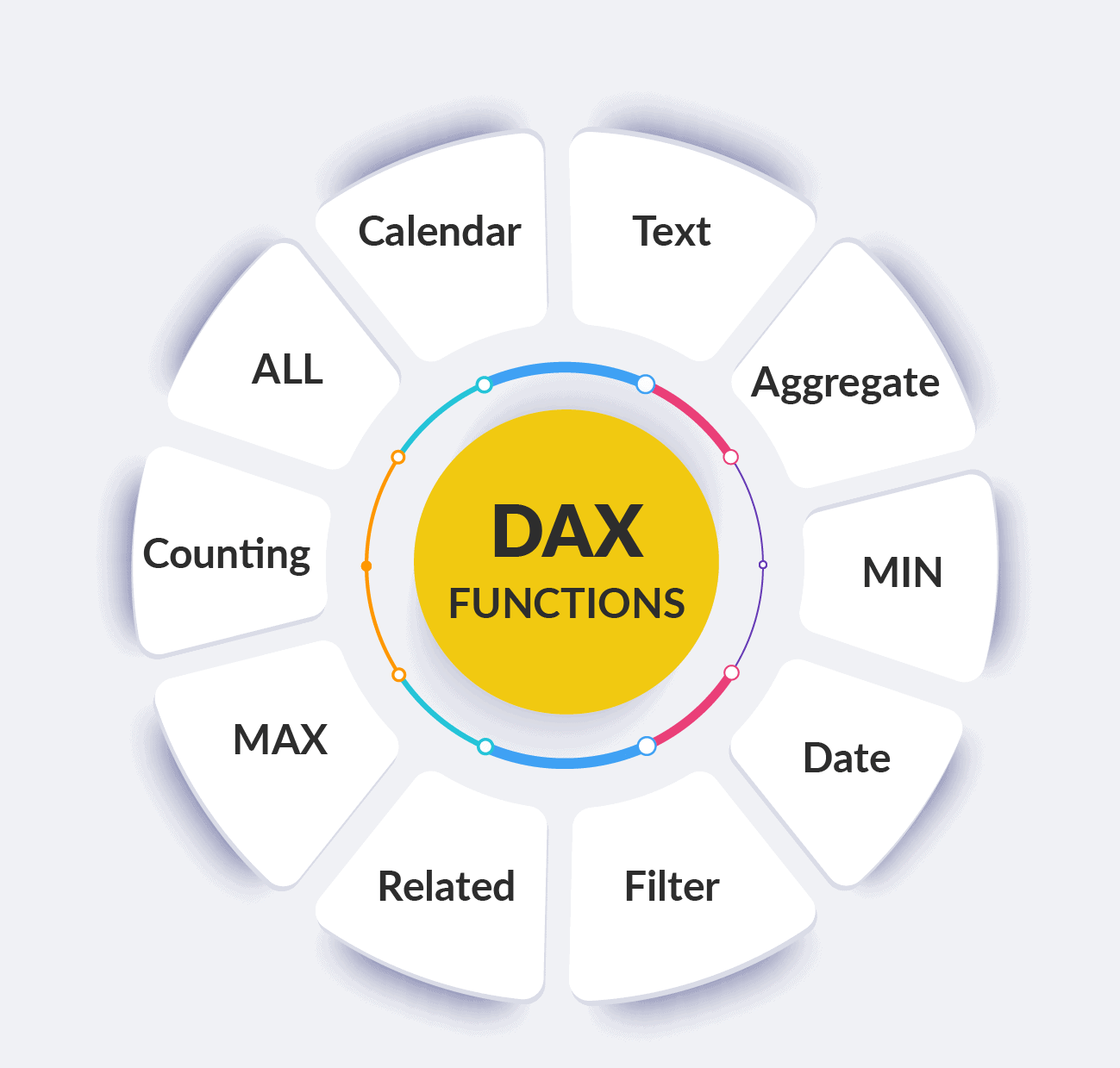
Titbits of Information about Model data with Power BI from the Learning Path 1. Understanding the structure of semantic models can help you design the right model to support your reports and dashboards. A semantic model can be developed in many ways, yet one or several of those ways are more optimal. Optimal models areContinue reading “Foundation details about Modelling Data (PL-300)”
All types of Average, Max & Min (Statistical DAX)

Average, Max and Min are most commonly used in Excel and it’s quite handy to use this function combined with other calculations. Let’s learn different types of Max, Min & Average DAX functions. MAX() MAXA() MAXX() MIN() MINA() MINX() AVERAGE() AVERAGEA() AVERAGEX() The concept is same for all. MAXX() , MINX() & AVERAGEX() will beContinue reading “All types of Average, Max & Min (Statistical DAX)”
A-Z COUNT DAX Functions (Statistical)
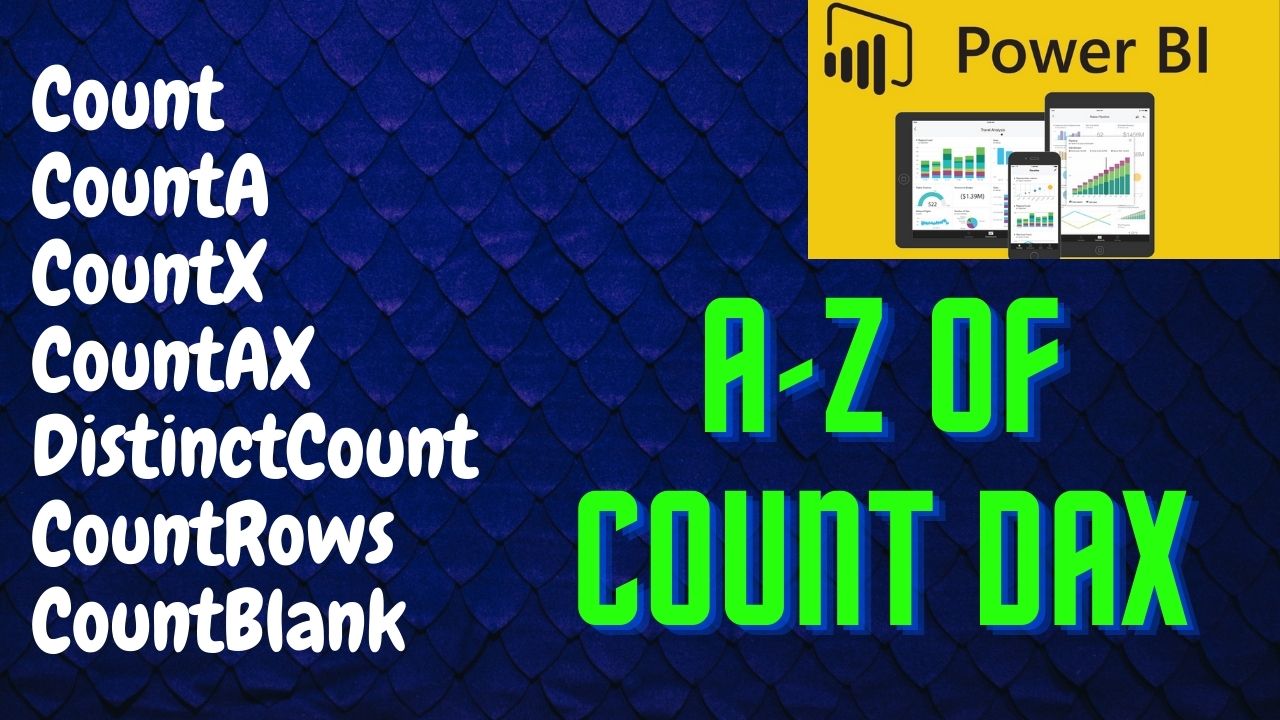
In this post, we are going to learn all the COUNT related DAX fuctions. 1 – COUNT() The COUNT function counts the number of cells in a column that contain numbers. Syntax: COUNT() For example, The following example shows how to count the number of values in the column, ShipDate. COUNT EX = COUNT(InvoiceDetails[InvoiceNumber]) ThisContinue reading “A-Z COUNT DAX Functions (Statistical)”
Calculated Column vs Calculated Measure
Calculated Column vs Calculated Measure is the most commonly used term in Power BI. Both these features have many roles to play and it is important to understand the difference. You may ask why? Yes, using it appropriately will save you a huge amount of space in your report. If you understand that the mainContinue reading “Calculated Column vs Calculated Measure”
Helpful DAX resource
Do you know the common DAX functions can be easily learned in Power BI? DAX is simple to learn at a basic level, but advanced DAX skills require a deep understanding of storage & calculation, data engines, table & filter functions, relationships, iterators, etc., hence we need helpful resources. Let’s see the four helpful DAXContinue reading “Helpful DAX resource”
Common Date & Time Functions (DAX)
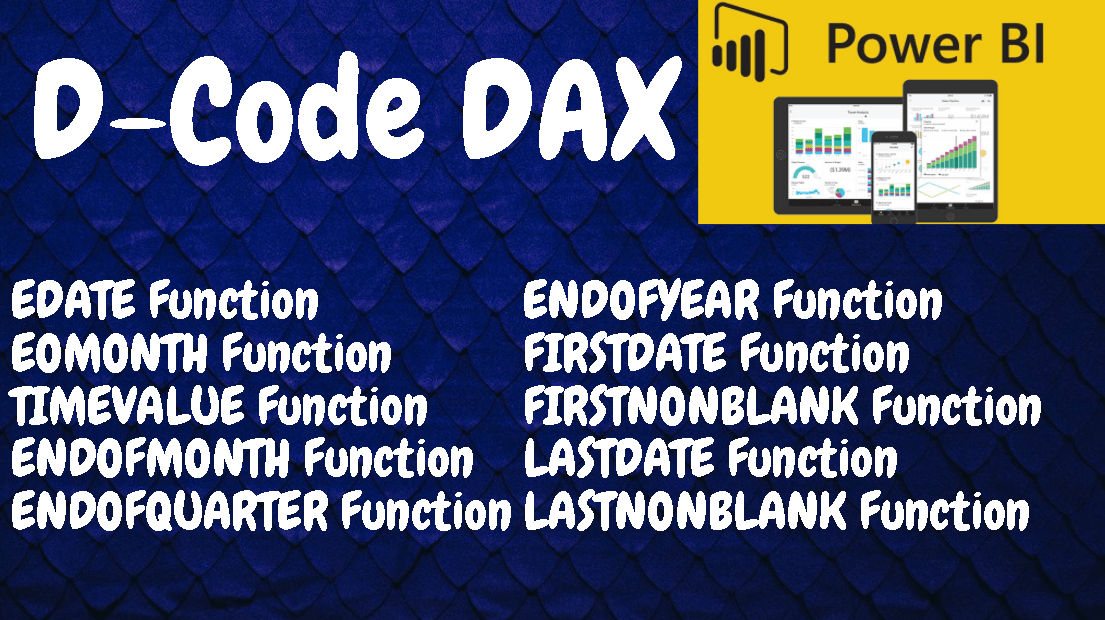
We saw the basic level Date and Time DAX function here. Now, let’s deep dive into some more commonly used Date and Time functions. EDATE Function EOMONTH Function TIMEVALUE Function ENDOFMONTH Function ENDOFQUARTER Function ENDOFYEAR Function FIRSTDATE Function FIRSTNONBLANK Function LASTDATE Function LASTNONBLANK Function EDATE Function: This function returns the date that is the indicatedContinue reading “Common Date & Time Functions (DAX)”
 LR Virtual Classroom