Power BI’s strength lies in its ability to transform raw data into actionable insights. At the heart of this capability is DAX – a powerful formula language that enables dynamic calculations and KPIs. Whether you’re a beginner or an experienced analyst, mastering these five DAX functions will elevate your dashboards and reporting. 1️⃣ Year-to-Date (YTD)Continue reading “5 Important DAX Functions Everyone Should Know in Power BI”
Tag Archives: Data Analytics
The Essential Role of the Date Table in PowerBI

In the world of PMO, effective data analysis is vital for making informed decisions and driving project success. One of the key components in achieving accurate time-based analysis in Power BI is the Date Table. This often-underestimated tool is the foundation of effective time-based reporting, allowing us to analyze metrics and Key Performance Indicators (KPIs)Continue reading “The Essential Role of the Date Table in PowerBI”
Common Date & Time Functions (DAX)
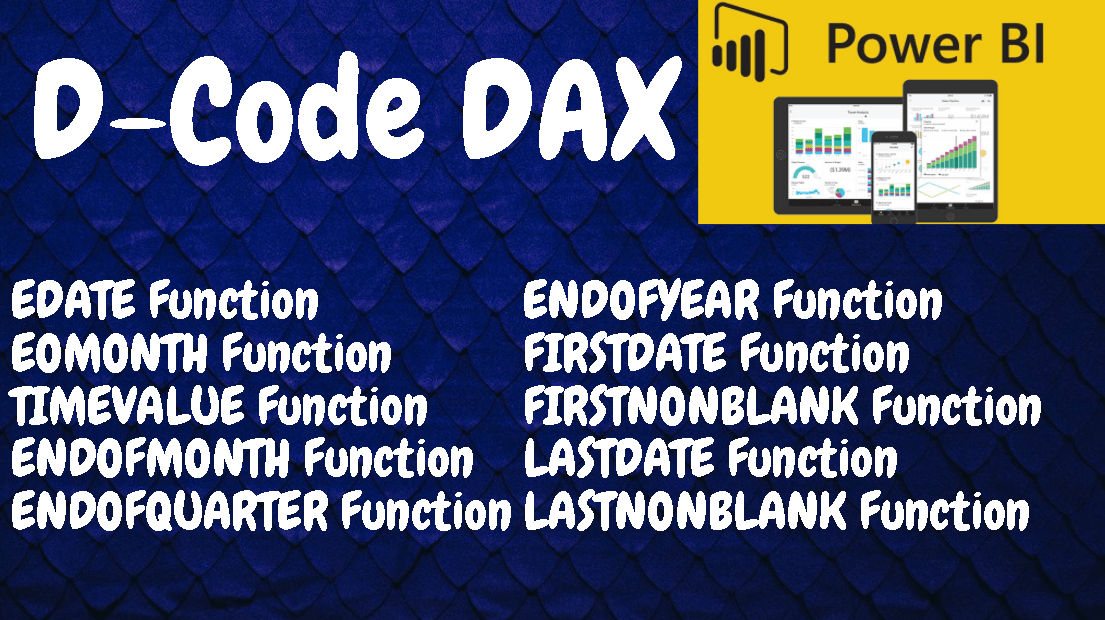
We saw the basic level Date and Time DAX function here. Now, let’s deep dive into some more commonly used Date and Time functions. EDATE Function EOMONTH Function TIMEVALUE Function ENDOFMONTH Function ENDOFQUARTER Function ENDOFYEAR Function FIRSTDATE Function FIRSTNONBLANK Function LASTDATE Function LASTNONBLANK Function EDATE Function: This function returns the date that is the indicatedContinue reading “Common Date & Time Functions (DAX)”
All about Power Pivot

Excel’s Power Pivot is a standard Excel desktop feature. Power Pivot along with Power Query with Pivot table and Pivot Chart is the wonderful combination in the Excel for data analysis of huge data sets. To enable Power Pivot menu, simply right click on the toolbar and then select customize this ribbon. Over to the right here make sureContinue reading “All about Power Pivot”
DATEADD vs DATEDIFF vs DATEBETWEEN vs DATESINPERIOD
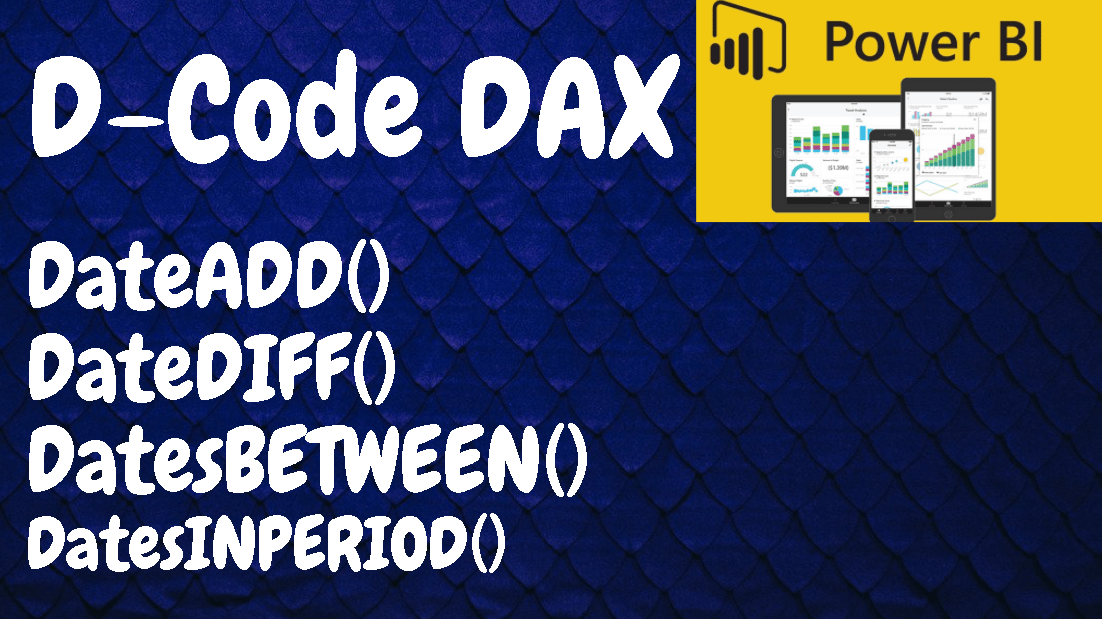
In this post, we are going to learn about the DATEADD, DATEDIFF, DATEBETWEEN, and DATESINPERIOD functions. These functions are very useful when dealing with dates. DATEADD Function (DAX) Definition: Returns a table that contains a column of dates that has been shifted or moved by no of intervals mentioned in the field. The result isContinue reading “DATEADD vs DATEDIFF vs DATEBETWEEN vs DATESINPERIOD”
How to move measure from one table to another in Power BI
Recently, I struggled to move the measures which I have created under wrong table in Power BI. I found an easy solution and here I’m with the post documenting my learnings. The ability to move measures from one table to another table exists in Power BI. The process is simple and much better than re-creatingContinue reading “How to move measure from one table to another in Power BI”
AllSelected & AllNoblankRow (DAX)
The filtering functions let you manipulate data context to create dynamic calculations. Today, lets learn about the new filter functions named AllSelected() and AllNoblankrow(). The filter functions in DAX are some of the most complex and powerful, also differ greatly from Excel functions. Check out the post for most commonly used functions All() & AllExcept().Continue reading “AllSelected & AllNoblankRow (DAX)”
All vs Allexcept
All and Allexcept are useful filter related DAX functions which will help in data analysis many ways. The ALL () Function returns all the rows in a table, or all the values in a column, ignoring any filters that might have been applied whereas ALLEXCEPT() ignores all the filters applied except the one called under parameters.Continue reading “All vs Allexcept”
OKR vs KPI – Outcome vs Output
I recently got acquainted on the word OKR – Objectives & Key Results. My thirst for the learning made to dig drive to understand what is all about OKR and its comparison to KPI – Key Performance Index. KPIs are typically the Outputs whereas the OKR will showcase the outcomes because of the KPI. OutcomesContinue reading “OKR vs KPI – Outcome vs Output”
Fact vs Dimension Table
The first and foremost concept you need to understand in Power BI is the difference between the Fact and Dimension table. Relationships are defined between tables through primary and foreign keys. Relationships between tables are formed when you have primary and foreign keys in common between different tables. Fact Tables (Foreign Key) Dimension Tables (PrimaryContinue reading “Fact vs Dimension Table”
 LR Virtual Classroom