It is very easy to say than to follow. We all want to be good listeners but it can be hard to break the habit of paying only half attention to others. Isn’t it?
But Dorie Clark from Lynda.com has shared the strategy for creating an impactful mindset of listening.
Summarising the learnings from the course.
Why do want to be a good listener?
Visualize how being a great listener will help you become a better employee, compassionate friend, or loving mother.
Think about the appreciative and what difference it will make for you. This will be the real motivation and trigger for being a good listener.
Being a good listener is not just a way of being nice to others but also which has clear benefits to you.
So, working on this issue is surely going to have transformational effects.
Why do you have a hard time listening?
Studies show that the human brain can concentrate at once. Obviously, if you do 10 things at a time, you will slip.
Another reason why people fail to listen is, at a very basic level, that they are too busy interrupting. Yes, you heard me right.
It is a human tendency to jump the gun when you hear something exciting and you only wanted to hear yourself do all the talking.
This is really serious distress because when you are closing a deal or in a situation with senior stakeholders, you might be especially likely to fall prey to this.
It is self-defeating, right? It’s like you cut them off. or you don’t let them finish and you debate every point.
There might be a lot of reasons for having a hard time listening but the end result is the same, you end up alienating (isolating) people.
What are the signs you’re not listening?
It’s a little tricky to say this. Because your mind is somewhere else and you are not paying attention to where you should be, that is, listening to the person talking to you.
So, we need to monitor ourselves and become conscious of this, so that we can stop before we offend someone.
Let’s see the key reasons for not listening.
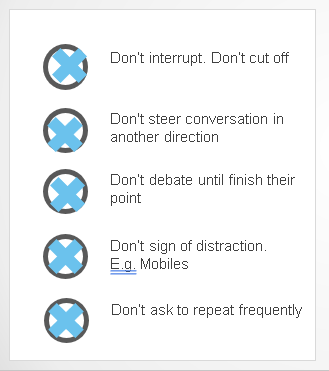
1. First, you are interrupting. When you see yourself cutting the other person off, STOP. You are not giving enough conversational space if you do. You have to let them finish.
2. Second, steering the conversation in another direction. It happens all the time organically and it’s not a big problem unless the situation is. When you are talking with business stakeholders, and it is quite important. The person will feel offended and feel not heard enough.
3. Third, debating them before they can finish their point. Healthy debate can be fine but don’t constrain their talks. Restrain yourself until they are done before responding.
4. Fourth, playing with electronic devices or glancing outside not looking at the person. All these are signs of distractions.
5. Fifth, are you asking them to repeat things frequently? If you are in a noisy environment, it’s fine. But if your mind is wandering, then you may end up someone saying to you’d directly “Are you listening”.
By watching yourself and monitoring these signs, you can stop yourself and get your head back in the conversational game.
What to do when you’re not being listened to?
By putting yourself in one’s shoes is the best thing in the world. It’s called empathy. Let’s see how do you react when you are in the position of not being listened to.
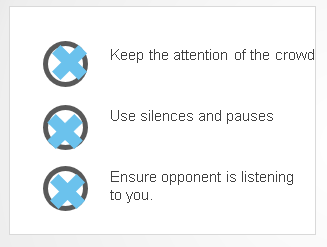
1 . First, take a moment to notice how it feels. The number one job is keeping the attention of the crowd. Most of the time, we raise our voices louder in order to get their attention. However, the best thing to do is, to go a softer voice and make them hear you.
2. Silences and pauses are the best things to do when someone is not listening to you.
3. Third, you can say, “I’m trying to talk about something important and I just want to be sure you are really hearing this. This makes the person be conscious and end up saying, “Maybe we could pick this up tomorrow?.
All the above strategies will help you to bring the conversation alive if it’s just daydreaming.
How to adopt the mindset of listening?
Paying full attention is hard but it’s definitely possible.
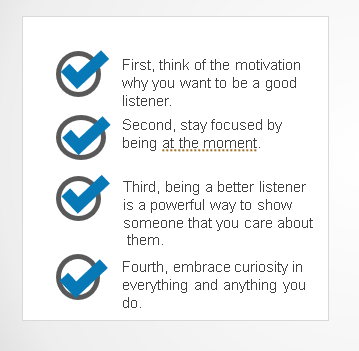
1 . First, think of the motivation why you want to be a good listener.
2. Second, stay focused by being at the moment.
3. Third, being a better listener is a powerful way to show someone that you care about them.
4. Fourth, embrace curiosity in everything and anything you do.
How to set the stage for high-stakes conversations”
It starts with identifying the right time to talk about something.
If something’s important, don’t try to handle it in the middle of the hallway or on the fly.
Make sure the other person’s time is right as well.
Also, make sure you have the location right. You may need a quiet private room or just a walking meeting which makes you focused but not always looking at each other.
Cross verify what you heard with other people in the conversation if multiple people are present.
Additionally, you can repeat what you heard is right. Make sure you paraphrase the sentence else the opponent party feels bored.
How to have a meaningful conversation?
Here are six cornerstone principles to follow effectively.
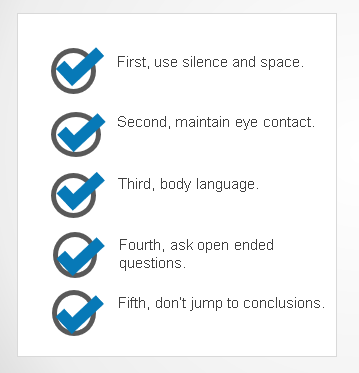
1. First, use silence and space.
2 . Second, eye contact shows you are engaged. It shows empathy and understanding. They will open up more.
3 . Third, look out for body language. Make sure, you sit straight and your hands are not folded up. Also, tapping the fingers or toes shows to be distracted or conversation making them uncomfortable.
4 . Fourth, you may disclose certain information. For example, saying, I too had project failure when I was in the first year of my degree.
5. Fifth, make sure you are asking open-ended questions. It means it doesn’t give on to elaborate or connect with you if you ask Yes or No questions.
6. Finally, don’t jump to conclusions immediately. ask for more data and be surprised what you discover.
How to keep yourself from interrupting?:
Being an interrupter is the costliest sins of the conversation. Let’s see a few of the strategies to eradicate.
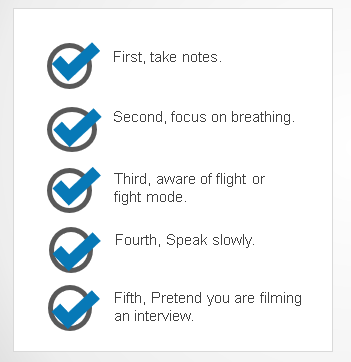
1 . First, take notes while listening. This will make you focus and distract you from wanting to jump immediately. For instance, this will help to formulate all the points written before questioning them.
2 . Second, focus on your breathing. It’s natural for the heart rate to spike on.
3 . You may tend to go into fight or flight mode and you interrupt naturally to defend yourself.
4. Speak slowly as speeding up shows your anxiety and it would ruin the conversation flow.
5. Ask the follow-up question only after the person finished talking. Just pretend like you are filming an interview. This might work well for you.
6. Finally, just keep in mind, you don’t gain anything by interrupting.
Test your listening skill knowledge:
Q: An effective way to make someone feel heard is to ________________________
A: paraphrase the message and ask them to expand a certain point. Don’t just repeat what they said.
Hope you found the post informative. Your valuable feedback, question, or comments about this post are always welcome by leaving me message on contact form is truly appreciated.
Discover more from LR Virtual Classroom
Subscribe to get the latest posts sent to your email.
 LR Virtual Classroom